Offbeat street art tours in Chicago
What is an offbeat street art tour in Chicago?
It's a walking or cycling route through Chicago neighborhoods known for large-scale murals and evolving wall art, led by a local guide who explains the context behind the pieces. Unlike the Loop's architecture cruises, these tours run through residential and commercial side streets and change year to year as murals are added, painted over, or replaced.
Beyond the Loop: where Chicago’s street art actually lives
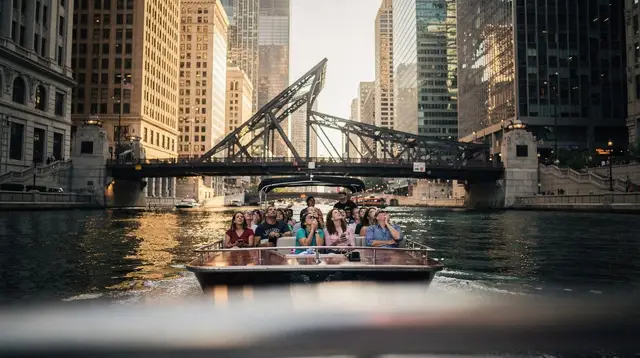
Most first-time visitors to Chicago spend their time in the Loop, riding an architecture cruise on the Riverwalk or looking down from the Willis Tower. That’s a legitimate way to see the city, and it’s covered well elsewhere on this site. This guide is for something different: a growing scene of murals, wall paintings, and large-scale public art spread across Chicago’s neighborhoods, well outside downtown, in areas that have built a reputation for supporting working artists rather than corporate skyscrapers.
Street art tours in Chicago are not a single fixed product. They’re closer to a category of experience — a guide, a route through a few neighborhoods with an active arts community, and a couple of hours on foot or by bike. Because the murals themselves change over time, no operator can promise you’ll see a specific painting on a specific wall a year from now. What they can promise is a route through areas where new work keeps appearing, plus context on how a particular block became a canvas for artists in the first place.
If you’ve already done the classic Chicago itinerary — the Bean, a river cruise, the Art Institute — this is a reasonable way to spend a half-day on a second or third visit, especially if you’re interested in urban culture, photography, or simply want to walk through parts of the city that don’t show up on a typical downtown postcard.
What actually happens on a street art tour
The format is straightforward: a guide meets a small group at a set point, usually reachable by the L or a short rideshare from downtown, and leads a walking or cycling route through several blocks known for concentrated street art. Along the way, the guide typically explains:
- How a particular building or alley became associated with murals (often tied to a business owner commissioning work, a city arts grant, or an informal arrangement between artists and property owners)
- The rough timeline of pieces — which are recent, which have survived multiple years, and which have already been painted over since the last tour
- Basic technique differences between a commissioned mural, a stencil piece, and unsanctioned wall art
- Practical context about the neighborhood itself: what it looked like a decade or two ago, and how an arts-driven identity changed foot traffic, rents, or the type of businesses that moved in
Tours run on foot for tighter, denser routes, or by bike when the operator wants to cover more ground across a wider area in the same two to three hours. A private version of this format exists too, useful if you want a slower pace, a specific interest (say, a focus on a particular medium or era of work), or want to combine street art with stops at nearby restaurants or coffee shops.
None of these tours enter the Loop or focus on the skyscraper architecture covered by architecture cruises and walking tours — that’s a different product built around a different kind of built environment, and the two experiences don’t overlap much beyond both happening outdoors in Chicago.
Why the routes aren’t fixed in advance
This is the single most important thing to understand before booking: street art is not architecture. A skyscraper doesn’t move. A mural can be painted over in a weekend if a building changes ownership, a wall gets repainted for maintenance, or a new artist is commissioned to replace older work. Operators who run these tours regularly adjust their routes as the neighborhood’s art changes, sometimes month to month.
That means a few practical things for travelers:
- Don’t book a street art tour expecting to see a specific mural you found in a photo online — treat any specific image as “this existed at some point,” not as a guarantee
- Ask the operator, when booking, roughly which part of the city the route currently covers, since this can shift between bookings
- Understand that “offbeat” here is doing real work: these are neighborhoods in ongoing artistic transition, not a museum with a permanent collection
- If a guide mentions a piece has already been replaced since their last tour, that’s normal, not a sign the tour is out of date
This is also why we’re deliberately not naming specific streets, alleys, or artists in this guide. Any list would be partly wrong within a year, and a guide’s job is to walk you through whatever is currently there, not to match an outdated inventory.
Street art tours vs. other Chicago neighborhood experiences
It helps to know where this activity sits relative to other things covered on this site, since the names can overlap in a traveler’s mind.
| Activity | Focus | Where it happens | Typical length |
|---|---|---|---|
| Street art / mural tour | Wall art, murals, neighborhood arts culture | Outlying neighborhoods, alleys, commercial strips | 2–3 hours |
| Architecture river cruise | Skyscraper history and design | Chicago River, downtown | 60–90 minutes |
| Loop walking tour | Historic Loop buildings and skyscraper architecture | The Loop | 2–3 hours |
| Neighborhood food tour | Restaurants, markets, ethnic food history | Varies by neighborhood | 2–4 hours |
| Ghost/history tour | Local legends and historic crime | Old Town, other historic areas | 2–3 hours |
If your interest is skyscrapers, start with our architecture cruise guide or Loop walking tour guide instead — this page won’t cover that ground. If your interest is specifically food alongside neighborhood culture, our food tours guide and the Chinatown-Pilsen-Fulton Market itinerary are a better starting point.
Who this is for
Street art tours tend to appeal to a specific kind of traveler more than a general first-timer:
- Repeat visitors who’ve already done the Loop, the river cruise, and the Museum Campus and want a different angle on the city
- Travelers interested in contemporary urban culture, independent art, or the way a neighborhood’s identity shows up on its walls rather than in a museum
- Photographers looking for color, texture, and backdrops that aren’t the standard skyline shot
- Younger travelers or groups who want a more casual, walking-heavy activity rather than a formal museum visit
If you’re visiting Chicago for the first time with only a day or two, your time is probably better spent on the core downtown sights first. This is a strong add-on for a second day, a longer stay, or a trip built specifically around neighborhood culture.
Booking a street art tour
A small-group guided tour is the standard option and the most affordable way to try this activity. For a small group led on foot through several neighborhoods, look at a small-group walking tour built specifically around off-the-beaten-path murals. A similar format, with a slightly different route and pacing, is available as a general street art walking tour covering Chicago’s mural scene.
If you’d rather set your own pace, travel with a small private group, or combine street art with other creative-district stops on your own schedule, a private tour of street art and creative districts with a dedicated guide is the more flexible (and pricier) option. Private tours are also the easier route if you want the guide to adjust the itinerary toward a particular medium, era, or neighborhood mood rather than a fixed group route.
None of these operators publish a walkable map of every mural in advance, for the reasons explained above — you’re booking a guided experience through a changing scene, not a fixed checklist.
Getting to and from a tour
Meeting points for street art tours are almost always outside the Loop, in the neighborhoods being toured, so plan your transit accordingly rather than assuming a downtown start. Use the Ventra-based L system or a rideshare to reach the meeting point; check the specific line and stop when you book, since it will depend on which part of the city the route covers that season. If your tour includes a bike component, most operators supply the bike as part of the booking — confirm this when reserving rather than assuming.
For getting around the wider north-side and neighborhood areas generally, our guide to getting around Chicago without a car (see the transport hub) covers the L, buses, and Divvy bikes in more detail than this page needs to.
Photography on a street art tour
Murals are, by nature, one of the most photogenic subjects in the city — bold color, large scale, and backdrops that change from block to block. A standard street art tour builds in enough stopping time for casual phone or camera photos at most major walls, and guides are generally used to groups pausing for pictures. Morning and late-afternoon light tends to work best on east- or west-facing walls; ask your guide which stops get the best light at the time of day you’re touring.
If you want something more produced than casual photos on a group tour — a dedicated photographer, posed shots, or a session built around getting a specific set of images rather than touring for its own sake — that’s a different, separate activity from what’s covered here. See our skyline photoshoot guide for that option; we won’t go further into photoshoot logistics on this page.
Practical notes and honest expectations
A few things worth knowing before you book:
- Prices are per person and don’t include gratuity. Tipping your guide 15–20% for a good tour is standard in Chicago, similar to restaurant tipping norms.
- Weather matters more than for an indoor activity. These tours run outdoors regardless of season; check the forecast and dress in layers, especially in shoulder seasons when Chicago’s weather can shift quickly.
- Group size affects pacing. A large group walking tour moves at a set pace with limited flexibility to linger; a private tour lets you slow down at whichever walls interest you most.
- This is not a museum with climate control or fixed hours. You’re walking outdoor blocks in real neighborhoods, which means normal city conditions apply — sidewalk traffic, occasional construction, and no guaranteed indoor break unless the route includes one.
- Don’t expect a printed map of every mural. As covered above, the scene changes too often for that to be reliable information, and a guide who gives you a fixed list is describing what existed on their last visit, not necessarily what’s there today.
Street art tours in Chicago: your questions answered
Is a street art tour the same as an architecture tour?
No. Architecture tours in Chicago focus on the Loop’s skyscrapers, usually from a river cruise or a walking route downtown. Street art tours cover murals and wall art in outlying neighborhoods and rarely enter the Loop at all.
Which neighborhoods will I see on a street art tour?
Operators vary their routes and don’t always publish exact streets in advance, since murals get added or painted over. Expect a mix of alleys, commercial strips, and residential blocks in neighborhoods known for an active arts scene rather than a single fixed itinerary.
Is street art in Chicago permanent?
Some pieces last for years, others are painted over within months when a building changes hands or a new artist is commissioned. This turnover is part of the appeal for repeat visitors, but it also means a mural you saw in a photo online may not be there when you arrive.
Do I need a car for a street art tour?
No. Most offbeat street art tours are on foot or by bike and start from a meeting point reachable by the L or a rideshare. A private tour may include transport between neighborhoods if the route spans a wider area.
Is this activity good for photography?
Yes, murals photograph well in daylight and many guides build in stops at well-lit walls. If you want a more produced photo session with a photographer rather than a guided tour, that’s a separate activity, covered in our skyline photoshoot guide.
How long does a street art tour take?
Most run two to three hours on foot, or a bit less by bike since cycling covers more ground per stop. Private tours can run longer if they combine street art with food stops or additional neighborhoods.
Are these tours family-friendly?
Generally yes, since the content is visual and walking-based rather than adult-themed, but ask the operator about pace and distance if traveling with young children.
What should I wear or bring?
Comfortable walking shoes, weather-appropriate layers, and a phone or camera with a charged battery. Some alleys and side streets have uneven pavement, so this isn’t a stroller-friendly route on every block.
Neighborhood tours of Pilsen, Wicker Park and Hyde Park on GetYourGuide
Verified deep-linked GetYourGuide tours. Book through these links and we earn a small commission at no cost to you.
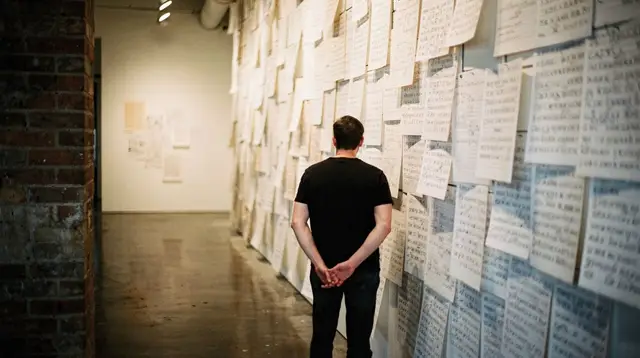
GetYourGuide does not provide a product photo for this activity — the image shows the meeting point, photographed by us.