Professional photoshoots with the Chicago skyline
How does a professional skyline photoshoot in Chicago work?
A local photographer meets you at one or more skyline viewpoints, usually around the Loop or the lakefront, and shoots for a set session rather than a fixed list of poses. Most sessions are booked in advance online, and edited digital images are delivered afterward rather than handed over on site.
What a professional skyline session actually gets you
A skyline photoshoot in Chicago is a different product from snapping a phone photo in front of the Bean or hiring a tour guide for an hour. You’re paying a working photographer, usually someone who shoots this city’s skyline routinely, to plan a short route between two or three strong backdrops, manage the light, and hand you back edited images afterward rather than a phone full of raw shots. That distinction matters most to three kinds of travelers: couples marking an engagement, honeymoon, or anniversary; families who want one set of images that actually look considered rather than a dozen blurry group shots; and travel influencers who need a small set of usable, high-resolution frames rather than volume.
This guide is about that category of service specifically. It is not a walking tour, and it is not the same as booking a generic “photo tour” that hands you a guide with a camera and a fixed script. A dedicated photoshoot is built around your group, your timing within the visit, and a small number of locations chosen for how the skyline sits behind you at that hour — not a checklist of stops.
If you’re looking for the version of this built specifically around the river and its bridges, see Riverwalk couples photoshoot guide for that particular setup — this guide covers the broader skyline locations rather than repeating that content.
Who books this, and why
Couples are the largest group booking these sessions, and within that, two occasions come up constantly: honeymoons and marriage proposals. Chicago’s downtown skyline reads well in photographs in a way that’s genuinely useful for an engagement announcement or a wedding album filler, and a photographer who knows the city can plan a route that avoids the most crowded frames without you having to scout it yourself.
Families book skyline sessions less often but for a clear reason: a once-a-decade trip, a milestone birthday, or a reunion where everyone is finally in the same city at the same time. The value here is less about romance and more about not having twelve people squinting into a phone camera held at arm’s length.
Travel content creators book these sessions for a practical reason — turnaround. A professional can deliver a small batch of edited, high-resolution images fast enough to post from the trip, which a self-shot or tripod-and-timer setup rarely matches in quality per minute spent.
None of these groups needs a fixed session length or a listed price to plan around — those numbers vary by photographer, by season, and by how many locations and outfit changes you want, so they’re set at booking rather than promised here. What’s worth planning around instead is where you’ll actually stand and when.
Locations typically used for skyline sessions
Photographers working this kind of session in Chicago tend to draw from a similar shortlist of general areas rather than one single spot, because the skyline reads differently from each angle and at each time of day.
Around the Loop. The Loop’s cluster of towers, including the Willis Tower, gives photographers a genuine “big city” backdrop without needing a long lens. Streets and plazas near the edge of the Loop, where you can stand back far enough to fit several buildings in frame, tend to work better than trying to shoot from directly underneath a tower. See The Loop, Chicago for the wider area and The Loop walking tour guide: Chicago’s downtown on foot if you want to scout the neighborhood yourself before booking.
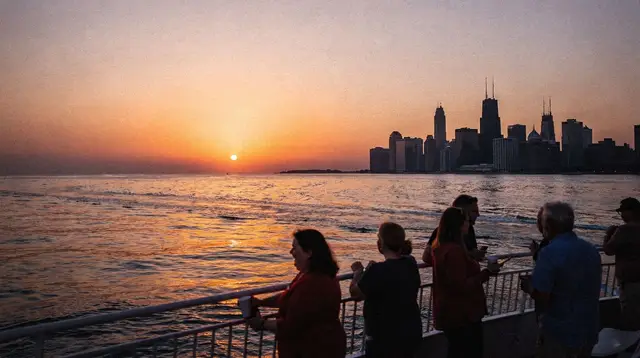
The lakefront. Locations along the Lakefront Trail put Lake Michigan in the foreground and the skyline in the background at once, which is a combination you don’t get from inland streets. This works especially well in the warmer months when the lake itself photographs blue rather than gray. General orientation: lakefront.
Millennium Park and Cloud Gate. The Bean is instantly recognizable and free to visit, which is exactly why it’s also one of the most crowded frames in the city most of the day — photographers who include it usually treat it as one quick stop rather than the anchor location, timed for a gap in foot traffic rather than a fixed hour.
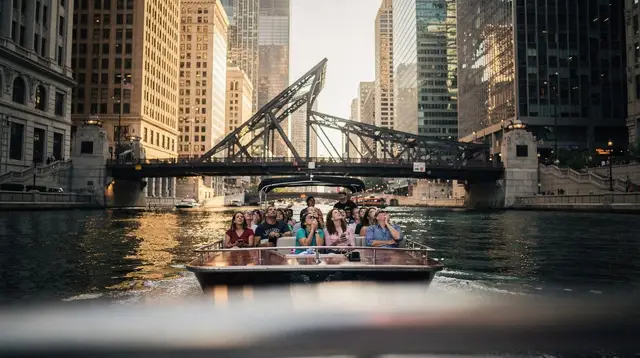
Near the river, without duplicating the riverwalk-specific session. Bridges and open plazas near the Chicago River give a different vertical composition than the lakefront or the Loop’s street level. If a river-and-bridges backdrop specifically is what you want, the dedicated guide at Riverwalk couples photoshoot guide covers that variant in full.
Michigan Avenue and the Magnificent Mile. Streeterville and the stretch of Michigan Avenue north of the river give a more urban, storefront-and-skyscraper feel than the park or lakefront options, useful if you want a shot that reads as “downtown” rather than “waterfront.” See Magnificent Mile walking tour guide.
A note on precision: exact standing spots — which corner, which side of a plaza — shift with construction, seasonal closures, and where the light happens to fall that week. A photographer who works these locations regularly will know the current best spot on the day; this guide deliberately doesn’t name a single unverified address as “the” spot, because that kind of specific claim goes stale fast.
Light: the one variable that matters more than location
The advice repeated by nearly every photographer who shoots outdoors in any city applies doubly to Chicago’s skyline: the flattering light comes in the stretch near sunrise and again near sunset, not the middle of the day. Midday sun over a dense cluster of glass towers tends to produce harsh shadows and blown-out reflections off the buildings, while the lower-angle light near the start and end of the day warms the same buildings and softens the same shadows.
This guide won’t give you a clock time for that window, because it moves with the season and with Chicago’s own daylight saving switch — CDT in summer, CST in winter — by more than an hour across the year. Instead, cross-check the season of your trip against Best time to visit Chicago before you book, and let your photographer confirm the actual sunrise or sunset time for your specific date once it’s close. Booking a session anchored to “sunset” or “early morning” rather than a fixed hour is the more reliable way to plan this months in advance.
Season also affects which locations make sense. A lakefront session in deep winter means a gray sky and possibly ice along the shoreline — dramatic in its own way, but a different look than the same spot in summer with the beach in use. Chicago’s winters run cold and windy, typically hovering around freezing in the day during the coldest stretch, so a winter session calls for coats that photograph well rather than being hidden under one.
What to expect from the booking
Most local photographers who offer this as a bookable product handle it the way any small service business does: you reserve online, communicate directly about locations and timing, and receive an online gallery of edited images afterward rather than physical prints on the spot. Session length, price, and the number of locations or outfit changes included are all set by the individual photographer or platform you book through — they vary enough between providers that repeating a specific number here would be more likely to mislead than help. Ask directly when booking, and confirm the rain and rescheduling policy at the same time, since lakefront weather can turn with little warning.
If your plan already includes a guided outing where photography is part of a broader experience rather than the whole point — a sunset boat trip, for instance — that’s a different, complementary option worth knowing about alongside a dedicated photoshoot:
a guided lakefront outing timed around sunset light on the Chicago skylineThat kind of tour is built for a group experience with a guide rather than a one-on-one photographer session, but the light logic is the same — golden hour over the water and the skyline together.
Alternatives if you’d rather be on the water than in front of the camera
Not everyone wants a stand-and-pose session, and Chicago has water-based options that put you inside the view rather than in front of it. A guided evening paddle is one way to see the same skyline glow from the river itself: a guided kayak paddle on the Chicago River timed for the evening skyline light or, for a later and quieter version of the same idea:
a twilight kayak paddle along the river as the skyline lights come onNeither of these replaces a dedicated photoshoot — a moving kayak and a handheld phone won’t produce the same portrait-quality images a photographer delivers — but they’re a reasonable complement if part of your group wants an active outing and another wants a still session.
Practical honesty before you book
A few things worth saying plainly rather than glossing over. First, Cloud Gate is genuinely crowded most of the day, every day of the year it’s open, so don’t expect a private moment there even at odd hours — plan on it as a brief stop, not the centerpiece. Second, no serious photographer will promise you a guaranteed empty frame at a landmark location; Chicago is a working city with real foot and vehicle traffic, and the best a photographer can do is time the shoot and choose angles to minimize it.
Third, weather along the lake changes fast enough that a session booked weeks out should always come with a stated rain policy, not a vague assurance. And finally, if a marriage proposal is part of the plan, say so explicitly when booking — a photographer who knows in advance can position themselves to catch the moment candidly, which is very different from trying to explain it after the fact.
For the itinerary context around a session like this, see Three days in Chicago: the first-timer itinerary or, if the whole trip is built around a proposal or honeymoon, treat the photoshoot as one fixed appointment and build sightseeing around it rather than the other way around.
Skyline photoshoots vs. other Chicago photo options
| Option | Best for | What you get |
|---|---|---|
| Dedicated skyline photoshoot (this guide) | Couples, families, proposals, content creators | One-on-one photographer, chosen locations, edited digital images delivered after |
| Riverwalk couples photoshoot | Couples wanting a river-and-bridges backdrop specifically | Same photographer-led format, focused on the Riverwalk |
| Lakefront sunset photo tour | Groups who want a guided outing with a photography focus | Shared guided experience rather than one-on-one |
| Self-shot at Millennium Park or the Loop | Budget-conscious visitors, casual souvenirs | Free, no booking, but crowded frames and no editing |
Frequently asked questions about Chicago skyline photoshoots
How does a professional skyline photoshoot in Chicago work?
A local photographer meets you at one or more skyline viewpoints, usually around the Loop or the lakefront, and shoots for a set session rather than a fixed list of poses. Most sessions are booked in advance online, and edited digital images are delivered afterward rather than handed over on site.
Do I need to book a Chicago skyline photoshoot in advance?
Yes. Photographers who work the skyline locations take a limited number of sessions per day, especially around sunrise and sunset, so booking ahead is standard rather than optional.
What should I wear for a skyline photoshoot?
Solid colors tend to read better against the skyline and the lake than busy patterns. Many photographers send a short style guide once you book, since backgrounds shift between concrete, glass, and open sky depending on the spot.
Can I request a marriage proposal photoshoot in Chicago?
Yes, this is a common request, and photographers experienced with the skyline locations often build in a way to shoot discreetly so the moment isn’t staged-looking. Say so when booking so the photographer can plan the approach and the backup spot.
Is the Bean a good spot for a professional photoshoot?
Cloud Gate draws heavy foot traffic most of the day, which makes clean, crowd-free frames harder there than at less obvious Loop viewpoints. Some photographers include it briefly as one stop rather than the main location.
What if it rains on my photoshoot day?
Most local photographers build a rain policy into their booking terms, either a reschedule or an indoor backup. Confirm the policy before paying anything, since weather along the lake changes quickly.
Do I need a permit for a professional photoshoot in a public park?
For a small, unpaid family or couple session with a handheld camera, no permit is typically required in Chicago’s public parks. Larger productions with lighting stands, reflectors set up for extended periods, or a paid model may fall under different rules, which is something to ask your photographer or the Chicago Park District directly rather than assume.
Professional photoshoots in Chicago on GetYourGuide
Verified deep-linked GetYourGuide tours. Book through these links and we earn a small commission at no cost to you.
GetYourGuide does not provide a product photo for this activity — the image shows the meeting point, photographed by us.