Is the architecture cruise worth it? A dissenting opinion
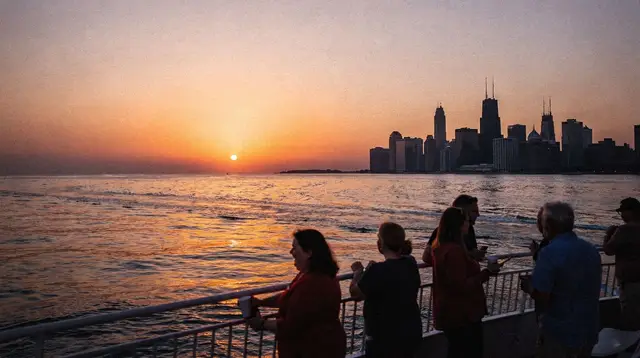
Everyone told me the same thing before I went to Chicago: do the architecture cruise, it’s the one thing you can’t skip. I did it, on a warm evening in June, seated on the upper deck of a boat with maybe sixty other people, and I want to tell you what actually happened, because it wasn’t quite the unqualified triumph I’d been promised.
The cruise itself
I’ll say this plainly: the view is real. Gliding under the bridges of the Loop as the sun drops behind the Willis Tower, watching the black glass of 333 Wacker Drive curve along the river’s bend, seeing the Wrigley Building lit up white against the sky — none of that is exaggerated. Chicago built itself upward and along its river in a way almost no other American city did, and seeing that from the water, at eye level with the lowest floors, gives you a sense of scale that a sidewalk never will.
But about fifteen minutes in, something started to bother me. The guide narrating our route was good — clearly well trained, clearly in love with the material, reeling off dates and architects and construction techniques with real enthusiasm. Somewhere around the fourth building, though, I noticed I’d stopped looking at the buildings and started listening to the guide. My eyes would find something interesting — a strange setback on a facade, a reflection breaking oddly across a curtain wall — and before I could sit with it, the microphone would move on, and so would my attention.
By the end of the seventy-five minutes I could recite the vintage of half the skyline. I couldn’t tell you which building I’d actually liked.
What the enthusiasm crowds out
This isn’t a complaint about the guide, who did the job well. It’s a question about the format. A river cruise puts sixty strangers on a boat, points them all at the same building at the same moment, and tells them all the same thing about it. It’s efficient, and it’s genuinely informative. But it also means sixty people leave with something close to the same impression of the skyline — the same three or four “wow” moments, cued at the same points in the script, because the cruise decides where you look and for how long.
I don’t think that’s a small thing. Part of what makes a city’s architecture interesting is the accident of your own attention: the building you happen to notice because the light hit it right, not because someone told you to look. On the boat, that accident doesn’t get much room. The narration fills the silence that a private reaction needs.
The Riverwalk, the next morning
The next morning, with no plan and no schedule, I walked the Chicago Riverwalk from the Loop out toward State Street and back, alone, with coffee, saying nothing to anyone. I passed some of the same buildings I’d seen from the boat less than twelve hours earlier — the Reid, Murdoch & Co. building, the underside of Wacker Drive’s double-decker structure, the same stretch of the river’s south bank.
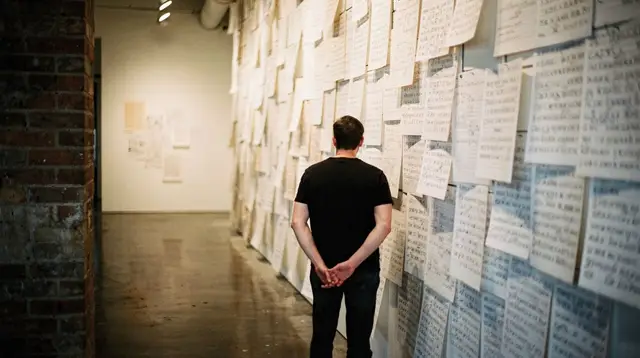
It hit differently. Without a script telling me what mattered, I spent almost ten minutes just looking at how the light moved across one building’s lower floors, the kind of unglamorous, half-accidental noticing that a sixty-person boat schedule has no time for. Nobody was telling me this was a highlight. It just was one, for me, because I’d stumbled into it myself.
I don’t want to overstate this into some tidy lesson about authenticity versus tourism — that’s a cliché, and it isn’t quite honest either. Millions of visitors take the cruise and come away with a genuine, lasting appreciation for the city’s skyline that they wouldn’t have built on their own in an afternoon. The historical context the guides supply is often the only reason a first-time visitor understands why Chicago looks the way it does after the 1871 fire, or why Sullivan and Burnham and Mies van der Rohe get mentioned in the same breath as the buildings themselves. That context has real value, and I got it too.
Where I’ve landed
My honest position, a few months out, is a partial disagreement with the consensus rather than a rejection of it. If this is your first time in Chicago and you have one evening to spend on the water, take the cruise. It will teach you more about the skyline, faster, than almost anything else available, and the view genuinely earns its reputation.
But I’d also tell you not to stop there. Give the buildings a second pass on your own terms — a walk along the Riverwalk with no guide, no script, and no sixty other people looking exactly where you’re looking. See what you notice when nobody’s narrating. You might come away agreeing entirely with the guide’s script. You might not. Either way, it’ll be your own reaction, and after an hour of being told what to feel about a skyline, that turned out to matter more to me than I expected.
If you do want the guided version — and again, I think it’s a reasonable choice for a first visit — there’s a family-oriented architecture cruise along the Chicago River that keeps the pace easy, and a longer 75-minute narrated architecture cruise if you want the fuller commentary I described above. Just don’t let it be the only way you look at the skyline.
For more on the practical side of choosing one, our architecture river cruise guide and our comparison of the cruise against a walking tour cover timing, companies, and what each format actually shows you. If you’d rather skip the boat model entirely, the Chicago Riverwalk guide covers the same stretch of water on foot, and the best sunset views guide is a useful companion if timing your own walk to the light is part of the appeal.
If you want a different version of the same boat
Part of what I was reacting to was the specific format of a large daytime boat with a live microphone — not the idea of seeing the skyline from the water at all. If the crowd and the constant narration are the actual problem for you, there are other ways to get the same view. A small-group architecture cruise puts far fewer people on the boat, which changes the dynamic more than I expected before I looked into it. Going out after dark on a night architecture river cruise changes the material itself — it’s a different building when it’s lit from within rather than caught in low sun. And if you’d rather move at your own pace instead of the guide’s, kayaking the Chicago River puts you at the same eye level as the cruise boats, minus the schedule and the microphone entirely.
If you’re trying to decide between operators rather than between formats, our comparison of the architecture cruise companies breaks down what each one actually does differently, since “the architecture cruise” isn’t really one single product. And if the whole debate is moot because you’re building a short trip around a handful of highlights, our one-day architecture river cruise itinerary and our broader three-day first-timers itinerary both put the cruise in context alongside everything else worth doing nearby, including Millennium Park and the Riverwalk itself.
Frequently asked questions about the Chicago architecture cruise
Is the Chicago architecture river cruise worth doing at all?
Yes, especially for a first visit. It’s an efficient way to see the scale and history of the skyline from the water, and the guides typically know the material well. My reservation isn’t about quality — it’s about how a shared, narrated format can crowd out your own reaction to what you’re looking at.
How is a river cruise different from walking the Riverwalk on your own?
A cruise moves you past the buildings on a fixed schedule with continuous narration, so your attention follows the guide’s script. Walking the Riverwalk on your own lets you linger, backtrack, or ignore a building entirely — nothing tells you what’s supposed to matter.
Should I skip the guided cruise and just walk instead?
I wouldn’t frame it as either/or. If it’s your first time in Chicago, the cruise gives useful context you’re unlikely to piece together alone. Walking the Riverwalk afterward, without a guide, is a good second step rather than a replacement.
Does the cruise route cover the same buildings as the Riverwalk?
There’s real overlap along the stretch through the Loop, since both follow the main branch of the Chicago River. The cruise also covers water the Riverwalk path doesn’t reach, particularly further along the river’s branches.
Is this article a guide to booking the cruise?
No. This is an opinion piece about the experience, not a practical guide. For timing, routes, and what to expect from different operators, see our dedicated architecture river cruise guide.
Did the cruise guide get anything wrong?
No — my disagreement isn’t with accuracy. The historical and architectural details were solid. My reservation is about format: a single narrated voice for sixty people leaves little room for your own noticing.
What’s the best time of day to see the skyline from the water?
I went in the evening and would recommend it — the low light does real work on the glass and stone facades. Our guide to the best sunset views has more on timing this well, whether you’re on a boat or on foot.
Chicago tours worth comparing on GetYourGuide
Verified deep-linked GetYourGuide tours. Book through these links and we earn a small commission at no cost to you.
GetYourGuide does not provide a product photo for this activity — the image shows the meeting point, photographed by us.