Stand-up paddleboarding on Lake Michigan: a practical guide
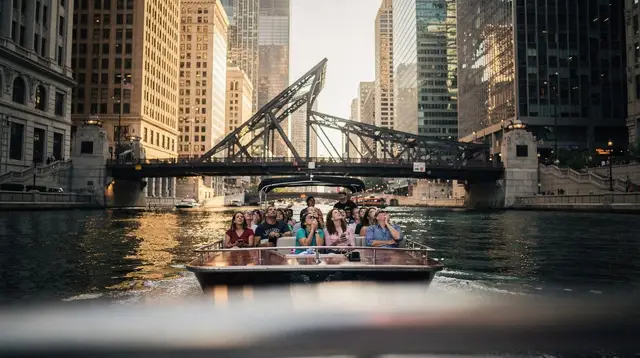
Is stand-up paddleboarding on Lake Michigan different from kayaking the Chicago River?
Yes. The river is a protected, flat waterway running through downtown, while Lake Michigan is a large freshwater lake with no tides but real wind- and wave-driven chop that changes by the hour. Paddleboarding on the lake is a more open-water, more physical outing, generally run only in the warmer months and usually with a life jacket provided or required.
What paddleboarding on Lake Michigan actually feels like
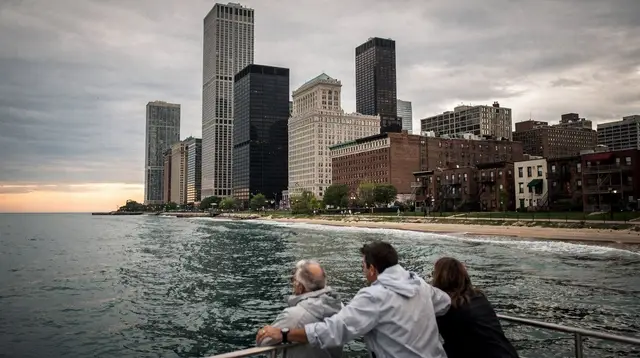
Stand-up paddleboarding, usually shortened to SUP, puts you standing (or kneeling, if you’re easing in) on a long, wide board and moving forward with a single-bladed paddle. On Lake Michigan, that means leaving the shelter of downtown behind and heading out onto genuinely open water — a different proposition from paddling the Chicago River, which is covered in detail in our separate kayaking on the Chicago River guide.
The lake is freshwater, so there’s no tide to plan around, no salt to rinse off, and no current pulling you toward an ocean horizon. But “no tide” doesn’t mean “always calm.” Lake Michigan is large enough to generate its own weather-driven chop: wind blowing across open water builds waves the way it would on a small sea, and conditions can shift meaningfully within the same afternoon. That’s the core distinction from the river, which is bordered by buildings, bridges and locks that keep its surface comparatively flat and predictable. On the lake, the day’s wind direction and strength do a lot of the deciding for you.
This guide focuses on what a first-time or casual paddleboarder in Chicago should actually expect, not on chasing a specific weather number that will be different by the time you read this. Nobody can promise you a flat lake on a given Tuesday in July, and any guide that does is guessing.
Who this is for
Paddleboarding on the open lake suits travelers who are reasonably comfortable with balance and moderate physical activity, and who don’t mind getting wet if a wave catches them off guard. You don’t need prior SUP experience — most guided sessions start with land instruction on how to stand, paddle and fall safely — but you should be a comfortable swimmer and at ease being on open water rather than a protected channel.
If you’d rather stay seated, on flatter, more sheltered water, and skip the balance component altogether, the river kayaking option covered in our kayaking on the Chicago River guide is the gentler alternative. If you want speed and a motor doing the work instead of your shoulders, the jet ski and speedboat guide on Lake Michigan covers that faster, motorized way to experience the same body of water.
River versus lake: the distinction worth understanding before you book
It’s easy to lump “paddling in Chicago” into one category, but the river and the lake are two different environments, and mixing them up is one of the more common mistakes visitors make when booking.
| Chicago River | Lake Michigan | |
|---|---|---|
| Water body | Narrow, engineered channel through downtown | Large freshwater lake, open horizon |
| Typical conditions | Sheltered, generally flat | Can be calm or choppy depending on wind |
| Tides | None (neither has tides — it’s freshwater) | None, but wind-driven waves instead |
| Boat traffic | Architecture cruise boats, water taxis | Sailboats, motorboats, larger vessels near harbors |
| Best for | First-timers, photography, a calmer pace | Travelers wanting open water and a bit more challenge |
| Season | Roughly spring through fall | Mainly the warmer months |
| Typical activity | Kayaking, guided river tours | Paddleboarding, kayaking, jet skiing |
Both waterways connect near the Riverwalk and the Navy Pier area, but the lake’s open exposure to wind is the detail that changes the whole experience. A morning that’s glassy calm on the river can still have a stiff onshore breeze rippling the lake at the same hour.
Where paddleboarding sessions typically launch
Most guided paddleboard outings in Chicago launch from lakefront points rather than the river itself — think beach access near the Museum Campus area, Navy Pier’s surrounding lakefront, or beaches further up the North Side. Exact launch points vary by operator and by season, since some beach access closes or changes outside the warmer months, so always confirm the meeting location when you book rather than assuming it matches a river tour’s dock.
The lakefront itself is worth knowing regardless of whether you paddle: the Lakefront Trail runs roughly 30 kilometers along the shore, connecting the North Side to the South Side and passing right by many of the beaches used for water sports launches.
What a typical session includes
Most guided stand-up paddleboarding outings on Lake Michigan follow a similar shape:
- Land briefing. A guide covers how to carry the board, how to stand up safely, basic paddle strokes, and what to do if you fall in (which, for beginners, happens — it’s part of learning, not a failure).
- Gear fitting. You’ll be fitted with a paddle sized to your height and, typically, a personal flotation device. Operators generally provide or require a life jacket for open-water sessions; if a listing doesn’t mention one, ask before booking.
- On-water time. Sessions usually run somewhere in the range of one to two hours of actual paddling, though this varies by operator and package.
- Return and gear return. You paddle back to the launch point, hand back your board and paddle, and towel off.
Group sizes, exact durations and inclusions differ by operator, so treat any specific number as a starting point to confirm at booking rather than a fixed standard across the city.
Safety and conditions: the honest version
This is the section where a guide owes you plain talk rather than reassurance. Lake Michigan doesn’t have tides, but it absolutely has moods. Wind direction and strength are the main variables: an onshore wind can build noticeable chop within an hour, while a calm, still morning can turn breezy by early afternoon. Reputable operators watch the forecast and will delay, shorten or cancel a session if conditions aren’t suitable for the group’s skill level — that’s a sign of a well-run outfit, not an inconvenience.
A few things worth knowing before you go:
- A life jacket is standard practice, not an optional accessory. Most operators provide one and expect you to wear it, particularly for beginners and for anyone paddling beyond a sheltered swim area.
- Water temperature matters more than air temperature. Even in summer, Lake Michigan’s water is markedly cooler than the air above it, which is part of why guided sessions cluster in the warmer months rather than running year-round.
- The lake is shared water. Sailboats, motorboats and other paddlers use the same nearshore areas, especially near harbors, so a guide’s instruction on where to stay and where to avoid is worth following closely.
- Don’t chase a specific forecast promise. No operator or guide can honestly tell you today what the wind will do on the date of your trip weeks out. Book with a provider that has a clear rebooking or cancellation policy for weather, and check conditions again close to your date.
Season: when it’s actually offered
Stand-up paddleboarding on the open lake is, in practice, a warm-season activity. Most operators run trips roughly from late spring through early fall, tracking with when water and air temperatures make the outing comfortable and an unplanned dunk more of an inconvenience than a genuine hazard. Outside that window, availability drops sharply or disappears — this lines up with the same rough late-May-to-early-September stretch when Chicago’s municipal beaches are staffed and open for swimming. If you’re visiting outside that range, it’s worth checking directly with an operator before assuming a session will be running, since dates shift year to year and aren’t fixed to a specific calendar cutoff.
What to bring
- Quick-dry clothing or a swimsuit. You will likely get splashed, and falling in is a normal part of learning.
- A rash guard or light long sleeve for sun protection during a session that can run an hour or more with direct sun reflecting off the water.
- Water shoes or strap-on sandals. Flip-flops tend to come off in the water; bare feet work but offer no protection on a beach launch.
- A dry bag or waterproof phone pouch if you want to bring a phone for photos — most boards don’t have secure dry storage built in.
- A towel and a change of clothes for after the session.
- Sunscreen, applied before you arrive, since reapplying mid-session on open water isn’t practical.
Paddleboarding versus the faster alternative
If the idea of standing on a board and working with your own paddle strokes sounds like more effort than vacation, the same stretch of Lake Michigan is also home to motorized options, including a Lake Michigan jet ski rental if you’d rather let an engine do the work. Our jet ski and speedboat guide to Lake Michigan covers a faster, engine-powered way to get out on the water, with a different skill set, different safety briefing and a noticeably different pace. It’s worth reading both guides side by side if you’re deciding between a workout and a thrill ride on the same body of water.
For a full comparison of paddling styles across the city — river versus lake, guided versus self-guided — see our kayaking on the Chicago River guide, which covers the calmer, more sheltered option in more detail.
Combining it with the rest of the lakefront
Paddleboarding pairs naturally with a broader lakefront day. Many visitors combine an early or late-morning paddle session (when wind tends to be calmer) with an afternoon at Navy Pier or a walk along the Lakefront Trail. If you’re staying downtown, the trip out to a lakefront launch point is short, and it’s easy to build a paddleboard session into a broader itinerary that also includes the Museum Campus or a stretch of North Side beaches near Lincoln Park.
For travelers weighing multiple water activities against a fixed number of vacation days, it’s worth deciding in advance whether you want the calmer, photogenic river experience, the more physical open-lake paddleboard outing, or the faster motorized option — rather than trying to fit all three into one trip. If you’d rather stay seated and let someone else do the steering after a morning of paddling, a private Lake Michigan sailing charter or a shoreline Lake Michigan skyline cruise covers the same water from a very different, much less physical angle.
Booking tips
- Confirm the launch location before you book — lake launches and river launches are not interchangeable, and Chicago has both operating in the same general area.
- Ask about the safety gear included, specifically whether a life jacket is provided and required.
- Check the season dates directly with the operator rather than assuming year-round availability, since lake sessions cluster in the warmer months.
- Read the weather/cancellation policy so you know what happens if wind or waves make a session unsafe on your date.
- Consider a beginner-specific session if you’ve never stood on a paddleboard before; some operators offer instruction-focused outings distinct from faster-paced group tours aimed at experienced paddlers.
Paddleboarding on Lake Michigan: frequently asked questions
Do I need experience to try stand-up paddleboarding on Lake Michigan?
No prior experience is required for most beginner sessions, but basic comfort with balance and swimming helps. Guided outings usually start with a short briefing on the beach or launch point before heading onto the water.
Is Lake Michigan safe for paddleboarding?
It’s a freshwater lake with no tides, but it can develop wind and waves that build quickly compared with the sheltered Chicago River. Most operators provide or require a personal flotation device and will adjust or cancel sessions when conditions turn unfavorable.
What should I wear paddleboarding on Lake Michigan?
Quick-dry athletic wear or a swimsuit, a rash guard for sun protection, and secure footwear like water shoes or sandals with a strap. Bring a dry bag for your phone and a change of clothes for afterward.
When is the season for paddleboarding on Lake Michigan?
Mainly the warmer months, roughly late spring through early fall, when water and air temperatures make an unplanned swim tolerable rather than dangerous. Outside that window, most outfitters simply don’t run trips.
Where do paddleboard tours launch from in Chicago?
Most launch from lakefront points near Navy Pier, the Museum Campus, or North Side beaches, rather than from the Chicago River itself. Check the specific meeting point when booking, since it varies by operator and season.
Is paddleboarding harder than kayaking on the river?
It tends to be more physically demanding because you’re standing (or kneeling) and balancing against open-water movement, whereas river kayaking is seated and on flatter water. Both are approachable for reasonably fit beginners, but paddleboarding asks more of your core and balance.
Can I paddleboard on Lake Michigan without a guide?
Independent rental is possible in some spots, but a guided session is the more common and often safer choice for first-timers unfamiliar with the lake’s currents, boat traffic and changing wind. Guides also supply safety gear and know which days to avoid.
Kayak and paddleboard outings on GetYourGuide
Verified deep-linked GetYourGuide tours. Book through these links and we earn a small commission at no cost to you.
GetYourGuide does not provide a product photo for this activity — the image shows the meeting point, photographed by us.